Supporting a Safe School Community
As teachers, your role is essential in creating a safe, supportive, and respectful environment for every student. This hub provides guidance on prevention, response, and where to seek support.

Hacking occurs when individuals use their technical knowledge to access computer systems, networks, or digital information. It can happen for several reasons, depending on the hacker’s intentions, motivations, and goals. One of the most common reasons is financial gain, as hackers may attempt to steal banking details, personal information, or money. Another reason is data theft, where hackers access confidential information belonging to individuals, businesses, or governments. Some hackers are motivated by curiosity and a desire to understand how computer systems work, while others act because of political beliefs, personal conflicts, or revenge. Additionally, weak cybersecurity systems, outdated software, and easily guessed passwords can make it easier for hackers to gain unauthorized access. However, not all hacking is harmful. Ethical hackers, also known as white-hat hackers, work with permission to identify security weaknesses and help organizations protect their systems. Understanding why hacking happens is important because it helps individuals and organizations recognize potential threats and develop effective ways to protect their digital information.
Main reasons why hacking happens:
- Financial gain: To steal money or obtain valuable financial information.
- Information theft: To access private or confidential data without permission.
- Political or social motivations: To promote a cause or protest against an organization or government.
- Curiosity and learning: To explore technology and understand how computer systems function.
- Revenge or personal conflicts: To target individuals or organizations because of personal disagreements.
- Security weaknesses: To exploit vulnerabilities such as weak passwords or outdated software.
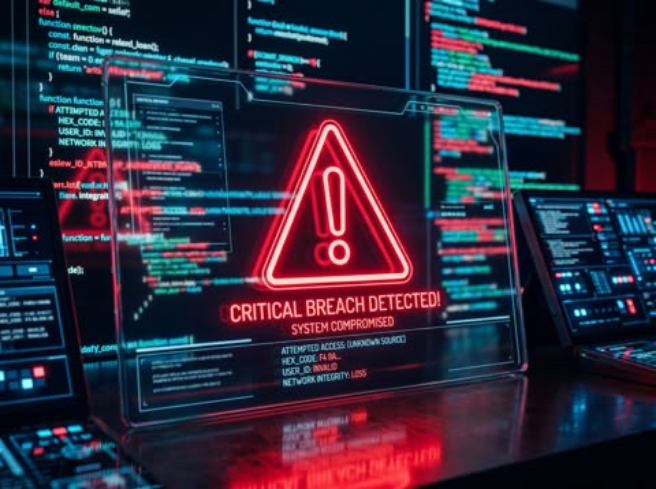
Hacking can be classified into different types depending on the methods used, the systems targeted, and the hacker's intentions. Some types of hacking are carried out to improve cybersecurity, while others are used to steal information, damage systems, or gain unauthorized access. Understanding these types helps individuals and organizations recognize digital threats and protect their information.
Main types of hacking:
- 1. Website Hacking: Involves gaining unauthorized access to websites to change their content, steal information, or disrupt their normal functions.
- 2. Network Hacking: Occurs when hackers target computer networks to access connected devices, intercept information, or disrupt communication.
- 3. Email Hacking: Involves accessing someone's email account without permission, potentially allowing hackers to read private messages, steal information, or impersonate the account owner.
- 4. Password Hacking: Refers to attempts to discover or obtain passwords to gain access to accounts or computer systems.
- 5. Social Engineering: Involves manipulating people into revealing confidential information or giving access to protected systems. Phishing, for example, uses deceptive emails or messages to trick people into sharing sensitive information.
- 6. Malware-Based Hacking: Uses malicious software, such as viruses, spyware, or ransomware, to steal information, monitor activities, or damage or restrict access to computer systems.
- 7. Wi-Fi Hacking: Targets wireless networks to gain unauthorized access, monitor network traffic, or exploit weaknesses in network security.
- 8. Ethical Hacking: Involves authorized security testing conducted by cybersecurity professionals to identify vulnerabilities and help organizations strengthen their digital protection.
Classification of hackers:
- White-hat hackers: Authorized professionals who identify security weaknesses to protect systems.
- Black-hat hackers: Individuals who access systems illegally or exploit vulnerabilities for harmful or personal gain.
- Grey-hat hackers: Individuals who may identify or access security weaknesses without permission but do not necessarily intend to cause harm.
Conclusion: The different types of hacking demonstrate how digital systems can be targeted in various ways. Learning about them helps people understand cybersecurity risks and the importance of protecting personal information, using strong passwords, and recognizing suspicious online activity.

Hacking can significantly affect teachers by threatening their personal information, students' privacy, and the security of school systems. Since teachers use digital platforms to store grades, communicate with students, prepare lessons, and manage school records, a cyberattack can disrupt their professional responsibilities and create serious challenges.
Main effects of hacking on teachers:
- Loss of personal information: Hackers may gain unauthorized access to teachers' personal details, email accounts, or financial information, putting their privacy and security at risk.
- Exposure of student data: Teachers may have access to confidential student records, including grades, contact details, and academic reports. If these records are stolen, students' privacy may be compromised.
- Disruption of teaching: Hacking school platforms, online classrooms, or computer systems can prevent teachers from accessing lesson materials, submitting grades, or conducting online classes.
- Financial losses: Teachers may become victims of phishing scams or identity theft, potentially resulting in stolen money or fraudulent transactions.
- Damage to professional reputation: If hackers access a teacher's account and send inappropriate or misleading messages, it may damage relationships with students, parents, and colleagues.
- Stress and reduced productivity: Dealing with compromised accounts, lost files, and security problems can cause stress and take valuable time away from lesson preparation and teaching.
Conclusion: Hacking can negatively affect teachers' privacy, professional responsibilities, and ability to provide effective education. Therefore, schools should use strong cybersecurity measures, regularly update their software, and educate teachers about online threats to protect their accounts and confidential information.
Prevention Strategies
Practical steps we can all take to help prevent problems before they start.
Use Strong Passwords and Two-Factor Authentication
Teachers should use a strong, unique password for every important account, especially email and school accounts. Avoid using easy-to-guess information such as names, birthdays, or simple passwords. Adding two-factor authentication (2FA) provides another layer of protection because it requires a second verification step when logging in. Even if a hacker gets the password, they may still be unable to access the account.
Keep Your Device and Apps Updated
Always install software and security updates when they become available. Updates often fix security weaknesses that hackers could use to access a device or steal information. Teachers should also keep their browsers and important applications updated instead of ignoring update notifications.
Be Careful With Links, Emails, and Downloads
Hackers can use phishing emails and fake websites to trick people into giving away passwords or downloading harmful software. Before clicking a link or downloading a file, check who sent it and make sure the website or message looks legitimate. Be especially careful with unexpected messages asking for passwords, personal information, or urgent payments.

Response & Contact
If you need immediate help or want to report a concern, we're here to support you.
What to Do
Assess the situation
Ensure your safety and the safety of students.
Report the incident
Contact the appropriate person or team as soon as possible.
Follow guidance
Stay informed and follow instructions from leadership.
Contact Us
If you have any question or concern contact for help on this email: